
Diabetic eye screening at Opticare
If you suffer from type 1 or type 2 diabetes, diabetic eye screening is a critical part of your diabetes care. Regular eye screening is one of the best ways to detect diabetic retinopathy before you notice any changes in your sight. Specialised digital photography is primarily used to look for changes that could affect your sight.
About diabetic
retinopathy
What an eye test
can detect
Screening
FAQs
What is Diabetic Retinopathy?
Diabetic retinopathy is a complication of diabetes, caused by high blood sugar levels damaging the back of the eye (retina). Anyone with type 1 diabetes or type 2 diabetes is at risk of developing diabetic retinopathy.
It can affect your sight and even cause blindness if left undiagnosed and untreated. Which is why it is important to have yearly check-ups on your eyes.
- Several years of specialist training
- National accrediation in the screening programme
- Dedicated to keeping you informed
- State-of-the-art equipment
- Fast & prompt identification
Your Opticare screening appointment
Diabetic eye screening is not covered as part of your normal eye examination. So this service aims to reduce the risk of sight loss amongst individuals with diabetes through fast & prompt identification, as well as effective treatment if required.
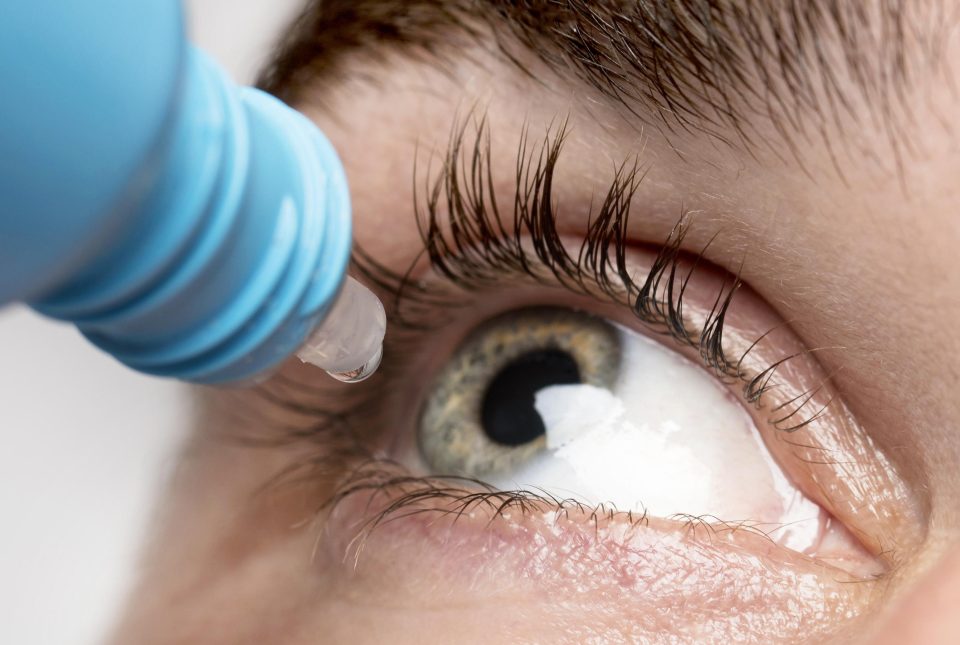
Our appointment involves applying mydriatic eye drops, which dilate the pupil so the optometrist can clearly see the vessels at the back of the eye through an enlarged image. You might feel a slight sting from the eye drops.
Once the vessels are visible, the Optometrist takes a picture of the vessels using our state-of-the-art digital camera technology. These images are stored and may be used to monitor changes.
In total, the screening lasts between 30 to 60 minutes
Frequently asked questions
How often do I need a screening?
Screening is advised every 12 months for anyone with diabetes (or at high risk of diabetes) who is over the age of 12.
Are there any side effects?
Yes. Eye drops may affect your vision for a few hours; you should NOT drive after your appointment.
Can I have my eye test at the same time?
Yes, at Opticare, we can combine the appointments for convenience. Ask one of our friendly team members if you would like to have your eye test at the same time.
What if something is wrong?
An expert studies the photographs of your eyes after you have been screened. If there are any problems or more questions, we may call you back for another assessment.
How is diabetic retinopathy treated?
As an optician, we don’t provide treatment for diabetic retinopathy, but it’s available free on the NHS or through private healthcare providers.