
Eye conditions
What is dry eye?
Dry eye is a common condition that usually affects both eyes. It can make your eyes feel scratchy, gritty or irritated, and your vision may blur between blinks.
It happens for one of three reasons: your eyes don’t make enough tears, your tears evaporate too quickly, or your tears don’t spread evenly across the surface of your eye. It’s uncomfortable, but it rarely causes serious damage to the eye.
All our optometrists are dry eye specialists, certified by Spectrum Thea. Rather than relying on drops from a pharmacy, our dry eye clinic looks closely at your tear film to find the cause of your symptoms, so we can build a treatment plan around you.

Know the signs
Symptoms, causes and risk factors
Symptoms
- Gritty, burning or sore eyes, as if there's sand in them
- Redness or irritation
- Blurred vision that comes and goes and clears when you blink
- Watery eyes (dry eyes can water too much)
- Sensitivity to light
- Tired or heavy-feeling eyes, often worse later in the day or after screen use
- Contact lenses becoming uncomfortable as the day goes on
Causes
Dry eye happens when something upsets your tear film. Common causes include:
- Meibomian gland dysfunction (MGD): the eyelid oil glands don't work properly, so tears evaporate too quickly
- Blepharitis: inflammation of the eyelid edges
- Ageing: you make fewer tears as you get older
- Your surroundings: central heating, air conditioning, wind, smoke and pollution
- Screens: we blink less often and less fully
- Preservatives in some eye drops
Risk factors
Dry eye is more common in some people. Your risk is higher if you:
- Are a woman, especially during menopause, pregnancy or while using contraceptives
- Are over 50
- Are of Asian ethnic background
- Wear contact lenses
- Take certain medicines or have some health conditions
- Have had laser eye surgery or cataract surgery
- Blink less than normal, or your eyelids don't close properly
Why eyes get dry
Your tear film
Every time you blink, a thin film of tears spreads across your eye. It has three layers, and a problem with any of them can cause dry eye.
Oily outer layer
Made by the meibomian glands in your eyelids. It stops your tears evaporating too quickly.
Watery middle layer
Keeps the surface of your eye moist and provides nutrients.
Mucin inner layer
Helps your tears stick to the surface of your eye.
Why do dry eyes water? When the surface of your eye becomes dry or irritated, it can trigger a flood of reflex tears. These watery tears don’t lubricate the eye properly, so your eyes can still feel dry even though they’re watering.
Meibomian gland dysfunction (MGD) is one of the most common causes of dry eye. If the oil glands become blocked or unhealthy, the oily layer breaks down and tears evaporate too fast. Blocked glands are also linked to blepharitis and chalazia.
Everyday triggers
Screens, hormones and dry eye
Screen time: we blink less often and less fully when using screens, so tears evaporate more quickly. Signs include gritty or tired eyes, blurry vision that comes and goes, and contact lenses becoming uncomfortable later in the day. To help:
- Follow the 20-20-20 rule: every 20 minutes, look at something about 20 feet away for 20 seconds.
- Blink fully and on purpose, and take proper breaks away from the screen.
- Position your screen slightly below eye level, reduce glare and avoid sitting in the path of a fan or heater.
Read more in our guide to screen time and dry eyes.
Hormones and menopause: hormonal changes during perimenopause and menopause can reduce tear production and affect the eyelid oil glands. Many women live with gritty, burning eyes, blurry vision when reading or contact lens discomfort for years without realising it’s linked. Pregnancy and contraceptives can also play a part. Read more about menopause and dry eye.
What helps
Treating dry eye
There’s no single cure for dry eye, but it can be managed well. Once we know the cause, we’ll give you tailored advice. Most people find a combination works best, for example preservative-free drops in the day, a thicker gel at night and a few changes at home.
Five ways to ease dry eye
Keep your eyelids clean
Clean the edges of your eyelids near the lashes, from the inside out, and avoid eyeliner on the inner rim, which can block the oil glands.
Think about your surroundings
Turn the central heating down, avoid draughts and air conditioning, keep away from smoky places and wear wraparound glasses on windy days.
Use eye lubricants
Drops, gels, ointments or sprays add moisture. Choose preservative-free if you use them more than six times a day, and a thicker gel at night.
Keep tears in
Tiny punctum plugs in the lower eyelids stop tears draining away too quickly. They can be adjusted or removed if needed.
OptiLIGHT IPL therapy
For persistent dry eye caused by meibomian gland dysfunction, light therapy treats the root cause rather than just the symptoms.
Dry eye assessment
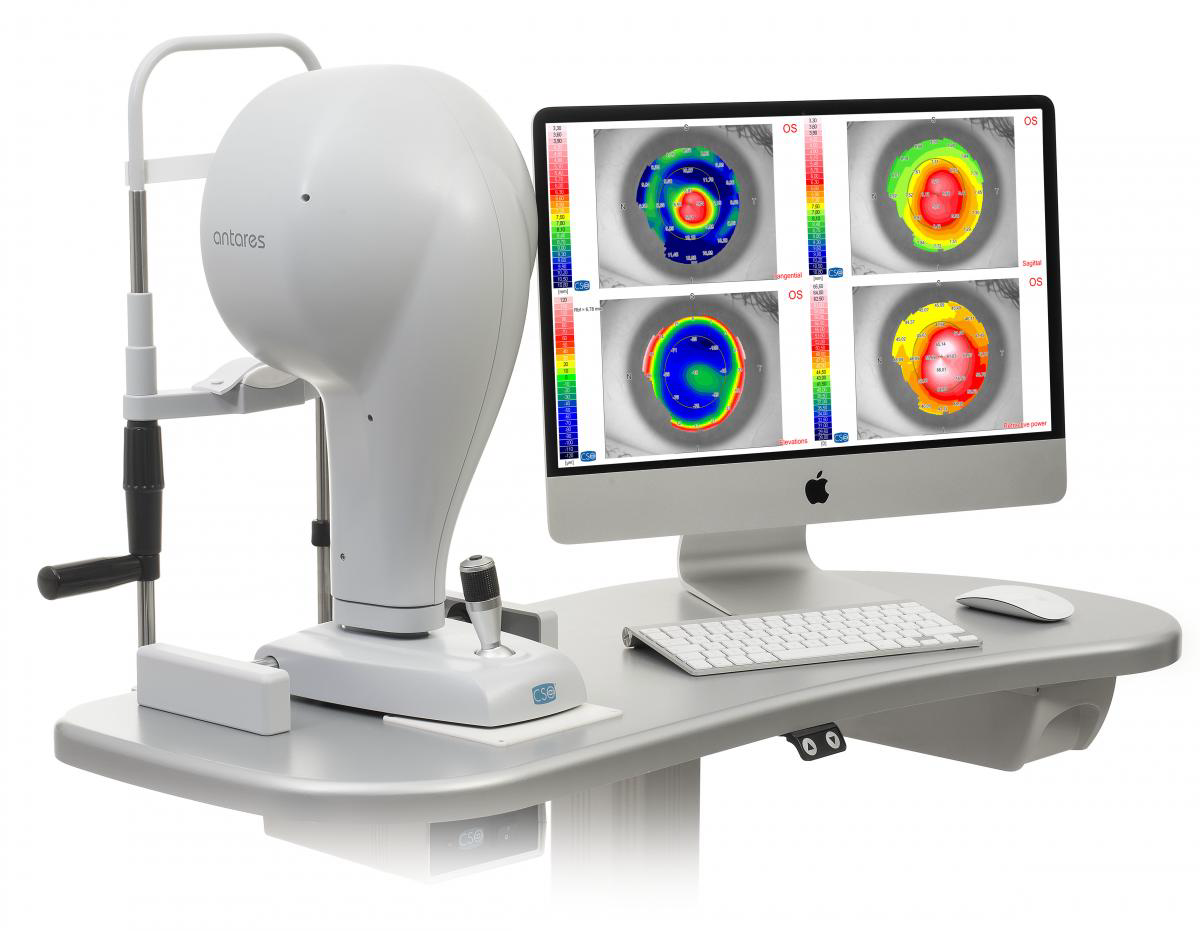
Our dry eye assessment looks beyond your symptoms. We examine your tear film, eyelids, meibomian glands and the surface of your eyes to find what’s causing the problem, then recommend a care plan that suits you.
At our Newark dry eye clinic, we use the Antares+ corneal topographer and tear film analysis to build a detailed picture. If meibomian gland dysfunction is found, you may be suitable for OptiLIGHT IPL therapy.
Cost: £75, or free for OptiPlan members.
Getting the most from eye drops
Lubricating drops give quick relief, but on their own they don’t fix the underlying cause. Used well, they’re an important part of managing dry eye:
- Choose preservative-free drops if you use them often.
- Use a thicker gel or ointment at night for longer-lasting relief.
- Sprays can top up the oily layer of your tears and slow evaporation.
- Space your drops evenly through the day and only use the number advised.
- If you use more than one type of drop, leave 5 minutes between them. Use drops before ointment.
- Never share drops, and store them as instructed.
See our full guide to using eye drops.

Get it checked
When to see an optometrist
For gritty, irritated eyes, an optometrist is the right first step. We can examine your tear film, eyelids and oil glands up close. Book an appointment if:
- Symptoms have lasted more than a couple of weeks, even with lubricating drops
- You also have light sensitivity, blurred vision or a lot of watering
- Your eyelids look red, crusty or swollen along the lash line
- You wear contact lenses and they're getting more uncomfortable
- Symptoms affect your work, reading or driving, or come back soon after using drops
Get urgent advice if you have:
- Sudden, severe eye pain, or a sudden change or loss of vision
- Thick or coloured discharge that glues your eyelids shut
- One eye much worse than the other, especially with swelling or a lump
- A new sensitivity to light, marked redness or an eye injury
- Itchy eyes with facial swelling or difficulty breathing (call 999)
Shop
Products we recommend for dry eye
We recommend these products for dry eye. Ask us which is right for you, as the best choice depends on the cause of your symptoms.


Hycosan Night
For longer-lasting relief overnight.
FAQs
Frequently asked questions about dry eye
What is dry eye?
Dry eye is a common condition that usually affects both eyes, causing a scratchy or irritated feeling and sometimes blurry vision between blinks. It happens when your eyes don’t make enough tears, your tears evaporate too quickly, or they don’t spread evenly. It’s uncomfortable but rarely causes serious damage.
What are the symptoms of dry eye?
Burning, grittiness or irritation, redness, blurred or changing vision, watery eyes and sensitivity to light. Symptoms are often worse later in the day or after a lot of screen use. Severe dry eye can be painful and damage the front of the eye, so it’s worth getting checked.
What is meibomian gland dysfunction (MGD)?
The meibomian glands in your eyelids make the oily layer of your tears. If they become blocked or unhealthy, your tears evaporate too quickly. MGD is one of the most common causes of dry eye.
Why do dry eyes sometimes water?
A dry, irritated eye surface can trigger a flood of reflex tears. These watery tears don’t lubricate the eye properly, so your eyes can feel dry even while they’re watering.
Who is at greater risk of dry eye?
Dry eye is more common in women, people over 50 and people of Asian ethnic background. Hormonal changes, contact lenses, blinking less, laser eye surgery and some medicines and health conditions can all increase the risk.
Can menopause cause dry eye?
Yes. Hormonal changes during perimenopause and menopause can affect tear production and the oil glands in the eyelids, making dry eye more common.
Why are my eyes dry after cataract surgery?
Dry eye is common after cataract surgery because of temporary changes to the nerves and surface of the eye. The drops used afterwards can sometimes add to the irritation, especially if they contain preservatives.
Should dry eye be treated before cataract surgery?
Yes, where possible. An unstable tear film can affect the measurements used to choose your lens implant, so treating dry eye first can improve accuracy and comfort.
Can screen time cause dry eyes?
Yes. We blink less often and less fully when using screens, so tears evaporate faster. Regular breaks, blinking fully and the 20-20-20 rule (every 20 minutes, look at something 20 feet away for 20 seconds) can help.
How do you diagnose dry eye?
We look at your tear film, eyelids, meibomian glands, the surface of your eyes and your symptoms to find the cause, then tailor treatment to the type of dry eye you have.
Is there a cure for dry eye?
There’s no definite cure, but dry eye can be managed well. For many people, a combination of eyelid hygiene, changes to their surroundings and the right lubricant keeps symptoms under control. In more persistent cases, OptiLIGHT IPL therapy may help.
Medically reviewed by Amar-Kaash Gandecha, BSc(Hons) MCOptom DipTp(IP), Prof Cert Glauc, Director and Optometrist. Last reviewed 14 August 2026.
You may also want to read
Related eye conditions


Fed up with dry, gritty eyes?
You don’t have to put up with it. Book a dry eye assessment and we’ll find the cause and recommend a plan for long-term relief.