
Eye conditions
What is glaucoma?
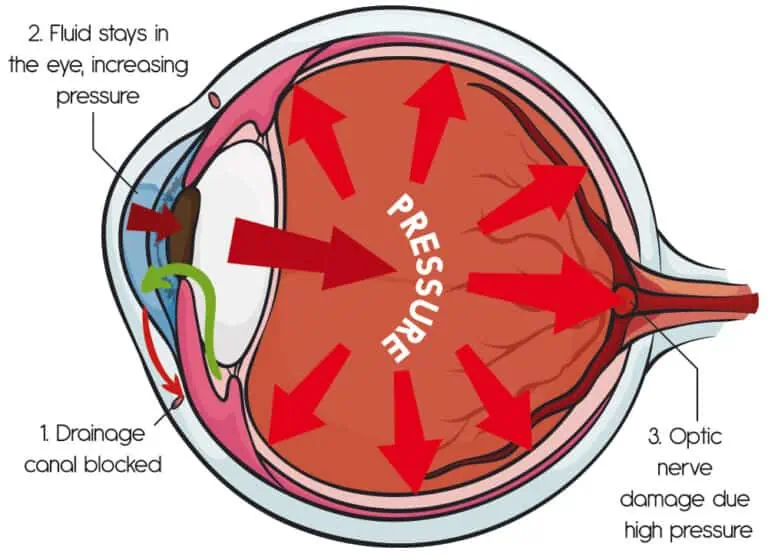
Glaucoma is the name for a group of eye conditions in which the optic nerve is damaged at the point where it leaves the eye.
The nerve carries information from the light-sensitive layer in your eye, the retina, to the brain, where it is perceived as a picture. Your eye needs a certain amount of pressure to keep the eyeball in shape so it can work properly. In some people, the damage is caused by raised eye pressure.
Others may have pressure within normal limits, but the damage occurs because of weakness in the optic nerve. In most cases, both factors are involved, though to varying degrees. Eye pressure is largely independent of blood pressure.
Know the signs
Causes, risks, and early symptoms
Causes
- Increased eye pressure inside the eye (intraocular pressure)
- A build-up of fluid in the eye that doesn't drain properly
- Damage to the optic nerve, sometimes even at normal pressure
- Reduced blood flow to the optic nerve
Risks
Anyone can develop glaucoma, but some people are at higher risk. You’re more likely to develop it if you:
- Are over the age of 40
- Have a family history of glaucoma
- Are of African, Asian, or Caribbean heritage
- Have diabetes or high blood pressure
- Are very short-sighted (myopic) or long-sighted (hyperopic)
- Have previously had an eye injury or surgery
Early symptoms
Glaucoma is often called the silent thief of sight because, in its most common form, it develops more slowly and without obvious warning signs.
In the early stages, most people notice no symptoms at all. Central vision may stay clear while subtle changes begin in peripheral (side) vision.

When to get help
Symptoms and warning signs
Most people with chronic glaucoma notice no symptoms until it’s more advanced, which is why regular eye examinations matter. When symptoms do appear, they can include:
- Gradual loss of peripheral vision
- Difficulty seeing in low light
- Seeing haloes around lights
- Mild blurred vision (often inconsistent)
In acute glaucoma, symptoms are different and urgent:
- Severe eye pain
- Sudden blurred vision
- Headache or nausea
- Red eye
- Seeing rainbow-coloured haloes around lights
- If you notice these, go to eye casualty or A&E straight away
Chronic and acute
Types of glaucoma
If the optic nerve comes under too much pressure, it can be damaged. How much damage depends on how high the pressure is and how long it lasts. Very high pressure damages the nerve straight away, while lower pressure causes damage more slowly, so you would gradually lose your sight if it wasn’t treated. There are two main types of glaucoma.
Chronic glaucoma
Eye pressure rises very slowly, with no pain to show there's a problem, but your field of vision is gradually affected. The first loss is usually an arc just above or below the centre of your vision. Left untreated, it spreads until it feels like looking through a tunnel, and in time sight can be lost.
Acute glaucoma
Much less common in the UK. Eye pressure rises suddenly, which can be painful and will cause permanent damage if not treated quickly. The eye becomes red, vision gets worse and you may feel sick or vomit. Some people have a series of milder attacks, often in the evening, with misty vision and coloured rings around lights.
Can glaucoma cause blindness? Yes, glaucoma can lead to permanent sight loss if it isn’t found and managed in time. Damage that has already happened can’t be reversed, but in most cases sight loss from glaucoma can be prevented. Glaucoma usually affects your side vision first, and many people only notice once it’s advanced, so regular eye tests are the best way to catch it early.
Know your risk
Who is most at risk?
Age: chronic glaucoma becomes much more common as you get older. It’s uncommon under 40, but affects around 1 in 100 people over 40 and around 1 in 20 people over 65.
Ethnicity: if you’re of African or Caribbean heritage, you’re at higher risk of chronic glaucoma, and it may start earlier and be more severe.
Family history: if a close relative has glaucoma, have an eye test every year, and encourage other family members to do the same, especially if they’re over 40. Having a parent, brother, sister or child with glaucoma makes you more likely to develop it. Read more about family history and eye health.
Free NHS eye tests: if you’re 40 or over and a parent, brother, sister or child has been diagnosed with glaucoma, you’re entitled to a free NHS sight test every year.
Protecting your sight
Screening and treatment
Glaucoma can’t be cured, but it can usually be controlled very well, especially when it’s found early. That’s why glaucoma checks are part of every eye examination at Opticare.
How we check for glaucoma
Eye pressure
We measure the pressure inside your eye (intraocular pressure).
Optic disc
We examine the optic disc, where the optic nerve leaves the back of your eye, for signs of damage.
Visual field
We check your side vision, where glaucoma usually shows first.
3D OCT scan
With our enhanced eye examination and OptiPlan, a 3D OCT scan gives a more in-depth glaucoma risk analysis.
Your results
We'll explain what we've found and, if we're concerned, refer you to a specialist for further tests.

Glaucoma treatment
Treatment aims to lower the pressure in your eye and stop further damage. It’s provided by the hospital eye service, with regular check-ups afterwards.
Chronic glaucoma is usually treated first with eye drops. If they don’t lower the pressure enough, your specialist may suggest laser treatment or an operation called a trabeculectomy, which helps fluid drain from your eye.
Acute glaucoma needs hospital treatment straight away to relieve the pain and pressure. Once it has settled, a small opening is usually made in the edge of the iris, by laser or a small operation, so fluid can drain. The other eye is often treated too, as it’s at high risk of the same problem. The treatment isn’t painful.
Living with glaucoma
Most people with glaucoma carry on leading full, active lives. Central vision can often stay good for many years with the right care:
- Use your prescribed eye drops every day, as directed.
- Go to all your appointments, so changes in pressure and vision are picked up early.
- Make small changes at home if your vision is affected.
Driving: most people can still drive if their field of vision isn’t too badly affected. You’ll need a special visual field test to check you meet the DVLA standard.
If your sight can’t be fully restored: we can help you make the most of the vision you have. Ask us about low vision aids, and whether you can register as sight impaired, which can give you access to expert help and sometimes financial support.
FAQs
Frequently asked questions about glaucoma
What is glaucoma?
Glaucoma is the name for a group of eye conditions in which the optic nerve is damaged where it leaves the eye. The optic nerve carries information from the retina to your brain. The damage is often caused by raised pressure inside the eye, but it can also happen when eye pressure is normal, because of a weakness in the optic nerve.
What's the difference between chronic and acute glaucoma?
Chronic glaucoma is the most common type. Eye pressure rises slowly and painlessly, gradually affecting your side vision. Acute glaucoma is much less common: the pressure rises suddenly, causing a painful red eye, blurred vision and sometimes sickness. It needs urgent treatment.
What are the early symptoms of glaucoma?
Usually there are none, which is why it’s called the silent thief of sight. When symptoms do appear, they can include gradual loss of side vision, difficulty seeing in low light, haloes around lights and blurred vision that comes and goes.
Who is most at risk of glaucoma?
You’re at higher risk if you’re over 40, have a family history of glaucoma, are of African, Caribbean or Asian heritage, have diabetes or high blood pressure, are very short- or long-sighted, or have had an eye injury or surgery.
Can I get a free NHS eye test if glaucoma runs in my family?
Yes. If you’re 40 or over and a parent, brother, sister or child has been diagnosed with glaucoma, you’re entitled to a free NHS sight test every year.
Can glaucoma cause blindness?
It can lead to permanent sight loss if it isn’t found and managed in time. Damage can’t be reversed, but in most cases sight loss can be prevented with early detection and treatment.
Can glaucoma be cured?
No, but it can usually be controlled very well with eye drops, laser treatment or surgery, which lower the pressure in your eye and help stop further damage.
Will I be able to drive if I have glaucoma?
Most people can still drive if their field of vision isn’t too badly affected. You’ll need a special test to check your vision meets the DVLA standard.
What if my sight can't be fully restored?
Early detection and treatment usually prevent or slow further damage. We can help you make the most of the vision you have. Ask us about low vision aids, and whether you can register as sight impaired, which can open the door to expert help and sometimes financial support.
Medically reviewed by Amar-Kaash Gandecha, BSc(Hons) MCOptom DipTp(IP), Prof Cert Glauc, Director and Optometrist. Last reviewed 14 August 2026.
You may also want to read
Related eye conditions


Over 40, or glaucoma in the family?
Regular eye examinations are the best way to catch glaucoma early. Book at our Newark, Anstey, Birstall or Sileby practice.